untame flow stay release
Artists: Ren Loren Britton, Justyna Górowska, Anka Haller, Pia Lindman, Finnegan Shannon, Cecilia Vicuña and Jenni-Juulia Wallinheimo-Heimonen.
31.08.–29.11.2026
Exhibition opening: Sun 30 August, 12–5 p.m.
with performance by Justyna Górowska and food by Rafael Andrade-Córdova
Text about the exhibition in simple language:
The exhibition untame flow stay release shows art that responds to unjust systems. These systems harm the environment and exclude disabled people. They make people believe their problems are personal and unique. But many people share the same problems. The exhibition pays attention to different needs.
The design of the exhibition space
The exhibition space was specially designed. The design connects the artworks, the research, and the areas for gathering and staying. This lets art, materials, bodies, and ideas work together.
The Rhine and the exhibition space
At first glance, the Rhine and the exhibition space seem very different: the Rhine appears natural, the exhibition space man-made. But people have strongly shaped and controlled both. The Rhine was straightened and regulated with dams. The exhibition space is not neutral either. It favours certain bodies and behaviours and excludes others.
In both cases, power and control cause harm. The Rhine carries traces of pollution. The exhibition space often contains toxic materials like plastic and solvents. It can also cause social harm, through barriers, too much sensory stimulation, and rules that benefit only a few. The people most affected are those with disabilities, chronic illness, and little money.
The artworks
The artworks explore these themes in many different ways. Some works turn everyday objects, like a wheelchair, into art, using humour to question the medical view of disability. Other works are telling stories of solidarity between disabled, trans*, and other excluded people. A virtual reality piece lets visitors talk to a water nymph and addresses water scarcity and environmental damage. A clock shows only the day of the week, inviting visitors to experience time more slowly. A film shows people weaving red wool into a knot together, to remember a polluted river valley. Paintings show a young woman turning into a mermaid: bound on land, she finds freedom in the water.
detox access spaces
The exhibition includes the research project detox access spaces. Artists, curators, architects, and thinkers ask together: how can exhibition spaces be open to everyone? The presentation advocates for spaces that welcome imperfection and sensory experience. It imagines non-toxic, inclusive spaces that don't intimidate anyone, but instead create comfort and shared control.
***
untame flow stay release presents artistic practices undertaken in response to unjust, environmentally toxic and ableist structures — systems that continue to suppress individuals and communities by individualising violence and fragmenting shared experiences into isolated struggles.
The project envisages the exhibition space as a setting for shared joy, recovery and repair that is attentive to the diverse physical and social needs and desires of different bodies. To extend the artworks into speculation about future non-toxic and accessible spaces, the exhibition is paired with a research presentation called detox access spaces, which brings together contributions from artists, curators, exhibition architects and thinkers working on inclusive, non-toxic exhibition design.
Jakob Engel's architectural design for the exhibition (created in collaboration with Citra Amongsari) intertwines the artists' works, the research contributions and the spaces for gathering and staying, enabling the artworks, the materiality, the bodies and the knowledge to interact with each other.
At first glance, the river Rhine flowing through Cologne and the Temporary Gallery's exhibition space appear different — one supposedly 'natural', the other culturally coded. Yet both are environments that have been strongly shaped and controlled by human intervention. For centuries, the Rhine has been regulated through the construction of dams and locks, as well as being straightened and embanked — a 'tamed' river that has been subjected to industrial, economic and urban planning interests. Similarly, the white cube is not a neutral space, but an architecturally and institutionally constructed framework that privileges certain bodies, behaviours, and modes of perception while excluding others. Power structures can make each of these issues unbearable: the river carries traces of industrial pollution, chemicals and ecological exploitation. Similarly, the exhibition space often reproduces material toxicity through the use of plastics, solvents and synthetic paints, as well as social toxicity through physical barriers, sensory overload and elitist access codes. In both cases, it is vulnerable bodies — people with disabilities, chronic illnesses and those experiencing socioeconomic disadvantage — that are most affected by these conditions.
Taking inspiration from the river and disability justice movements means embracing a more fluid approach to both water and bodies, loosening the structures that control and restrict them, and embracing more responsive forms of movement, being, and encounter. This is not merely about accommodation; it is about the revolutionary and creative potential already inherent in creating spaces and environments for diverse individuals, including those with disabilities or chronic illnesses. These changes often improve the quality of life for everyone, making spaces more spacious, legible and forgiving of different paces and ways of being present. In this sense, making lived spaces accessible is not a limit placed on design, but a radical method of imagining exhibition-making for everyone.
The artists whose works are featured in this exhibition respond to these challenges in a variety of ingenious and captivating ways.
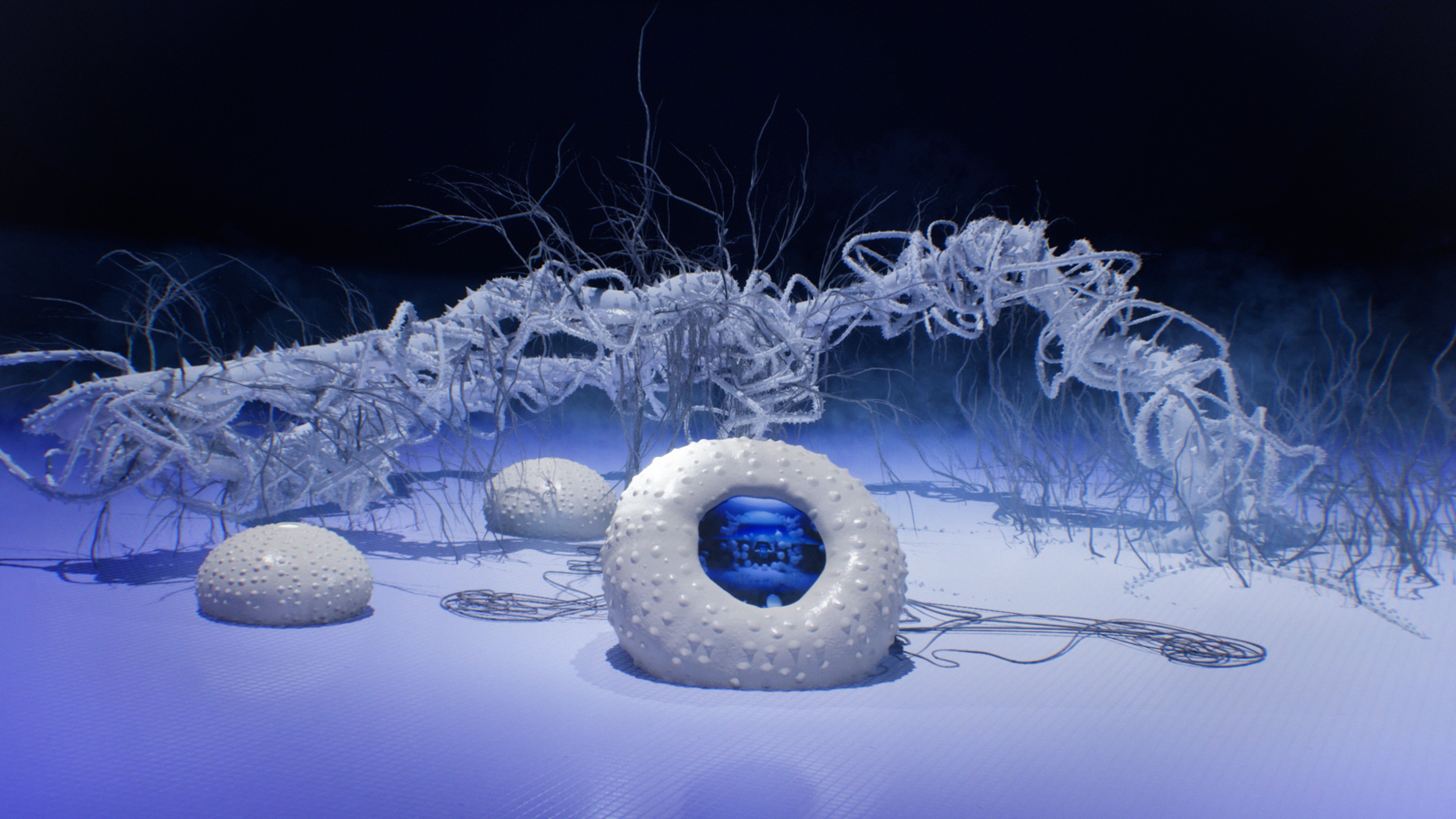
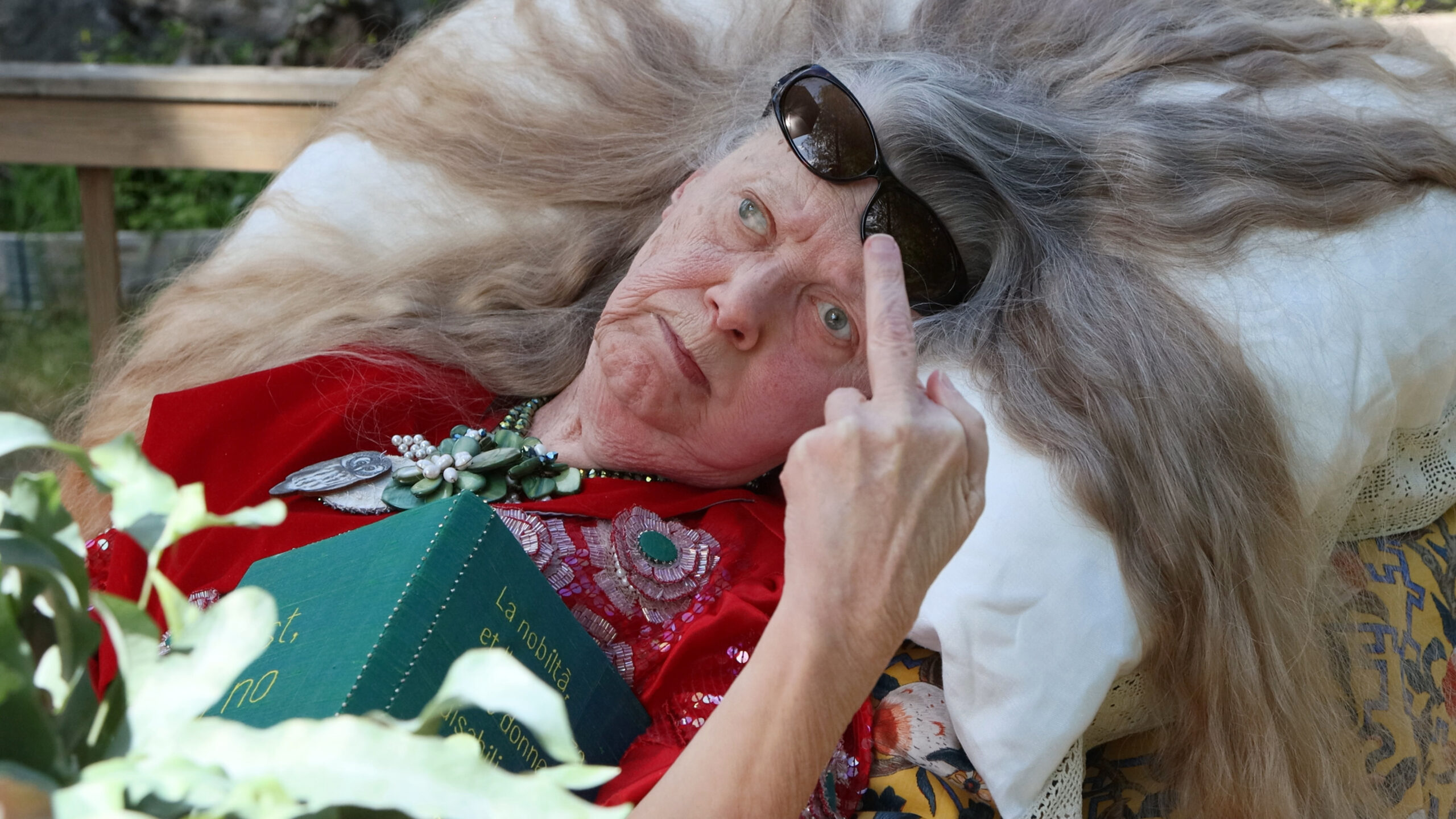
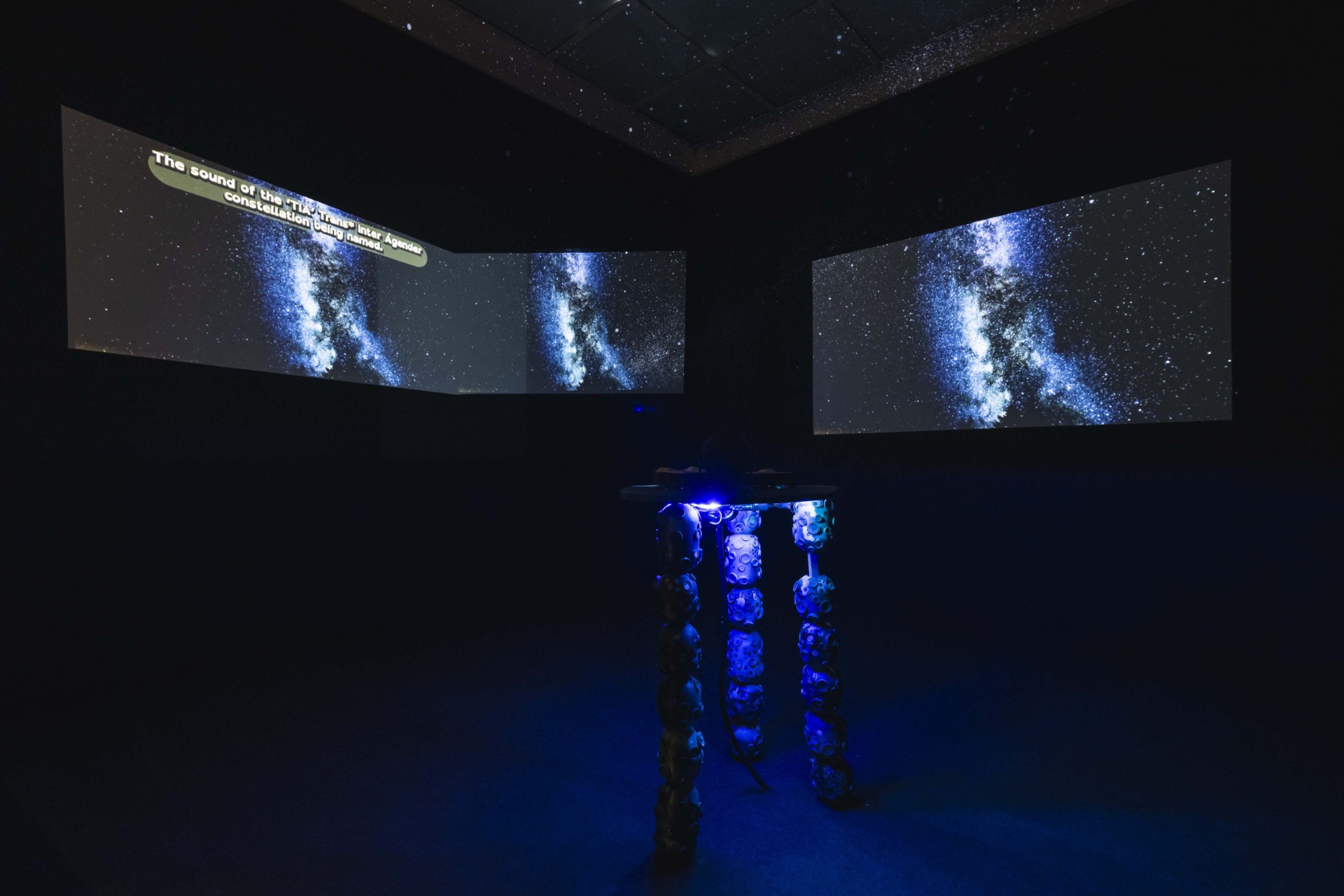
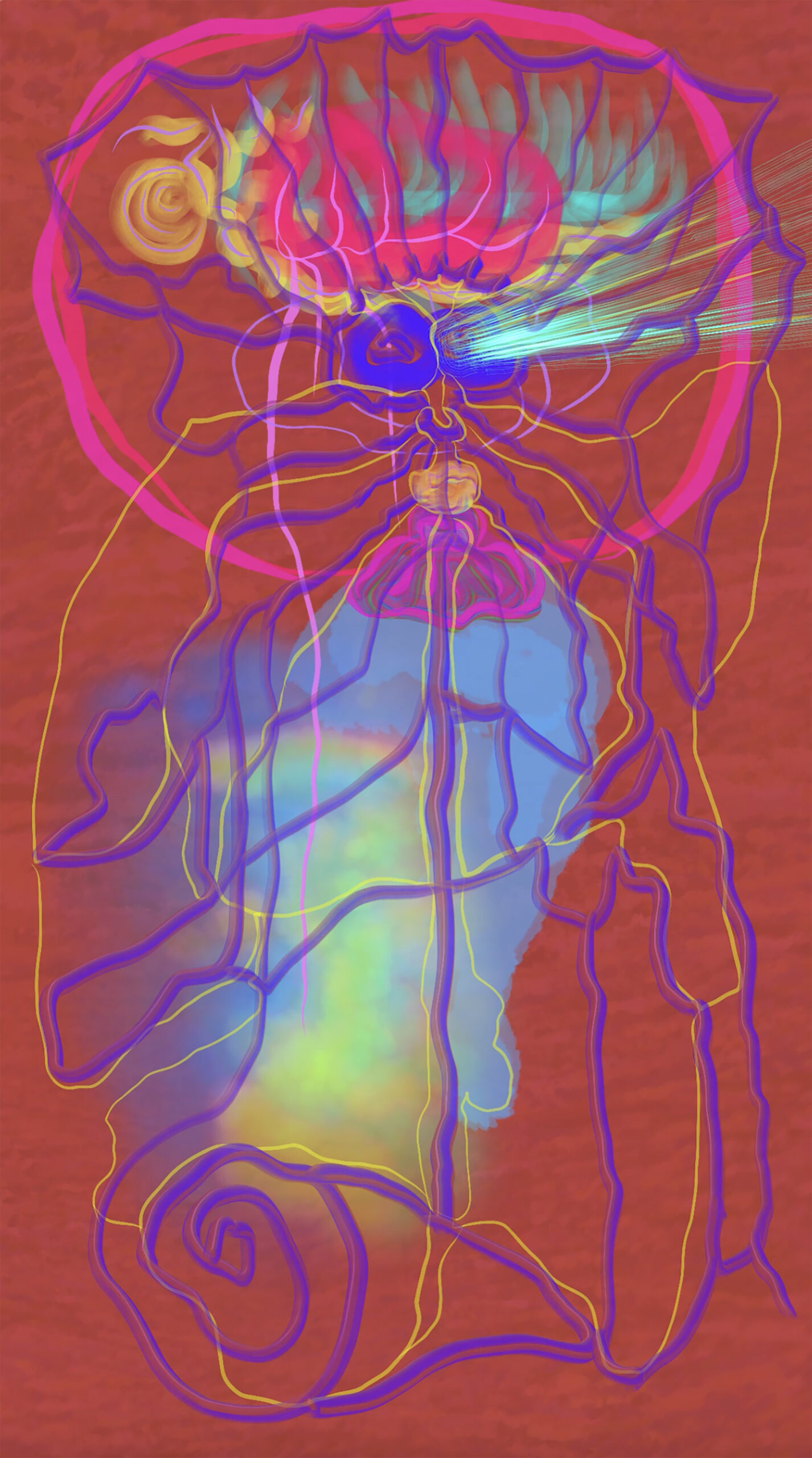
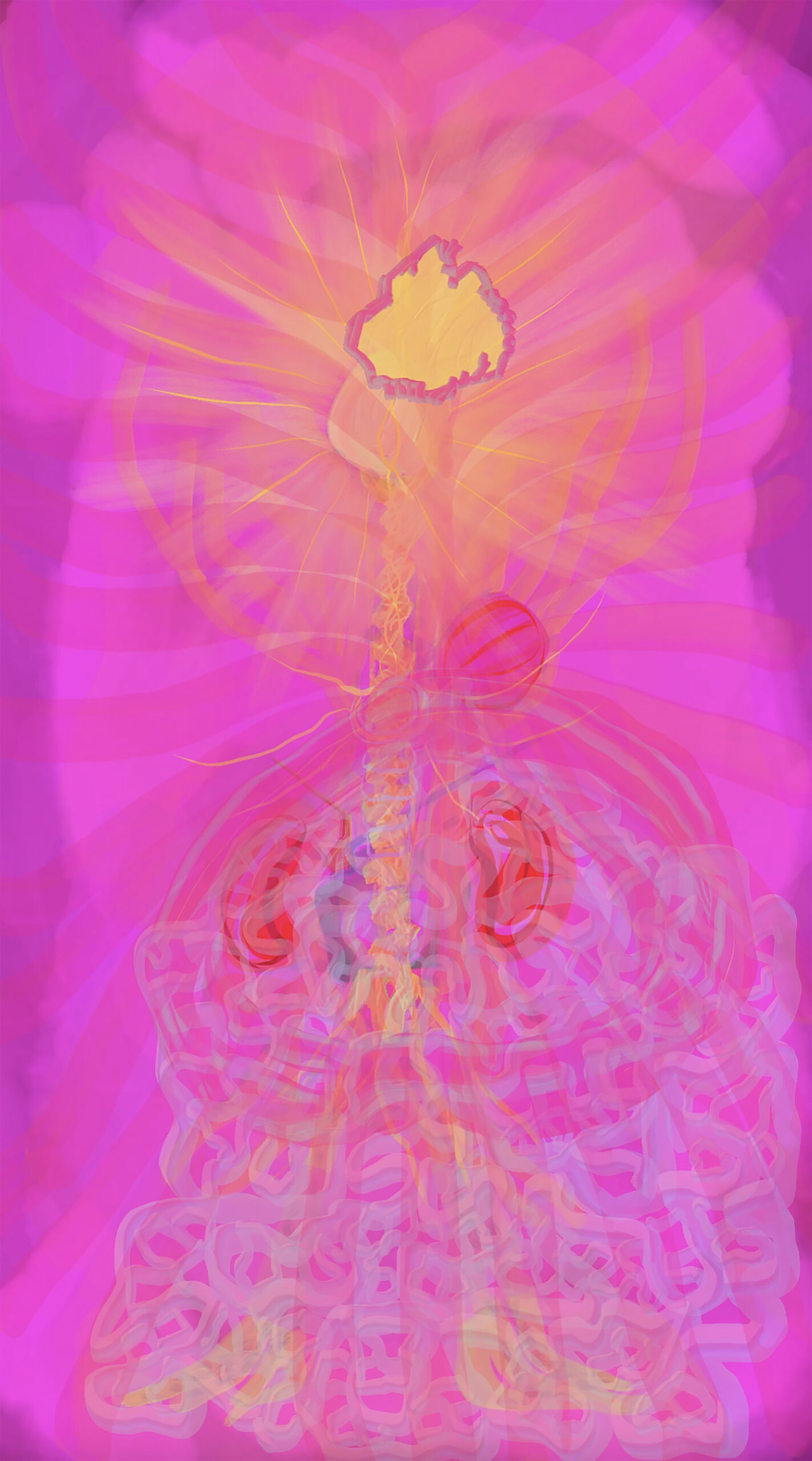
Pia Lindman contributes a new clay sculpture-instrument drawing on manaus — a Finnish term for a sung spell that concentrates the forces of the world to bring about change. Cast to sit on or near the water, the piece works as a sound amplifier, channelling voice and river vibrations back into the riverbed itself. Her Collectivities Cycle: Embodied Wefts, an animation, brings together colours, shapes, and figures that the artist experienced as sub-sensory sensations during collective healing sessions. Jenni-Juulia Wallinheimo-Heimonen presents a sculptural installation built from a modified wheelchair, alongside a two-channel video entitled How Great Is Your Darkness. These works counter the medical model of disability through humour, showing how the world could be different. Ren Loren Britton's three-channel video installation, 'Coalition Constellation': Constellating Reparations, which gathers historical and contemporary stories of successful coalition building between disabled, trans*, Roma, Sinti and other marginalised communities, including the campaign for reparations and the ambivalences surrounding them. The work reimagines the night sky's constellations through the lens of collective survival and solidarity rather than inherited patriarchal myth. The artist also presents portable, accessible sculptural seating interventions available to rent from the Temporary Gallery. These invite trans*, disabled, and queer people in Cologne to rest, desire, and position themselves in a natural environment.
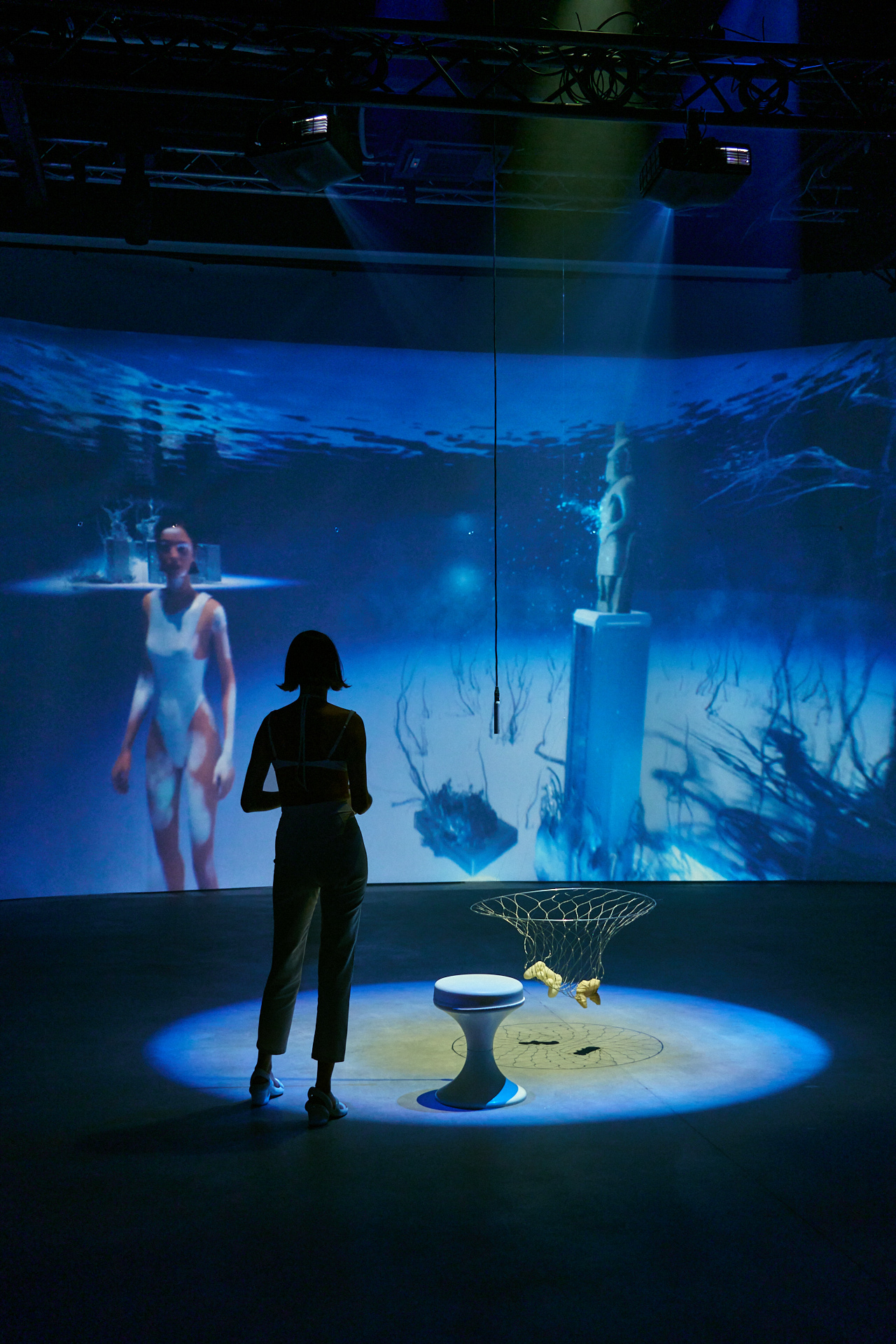
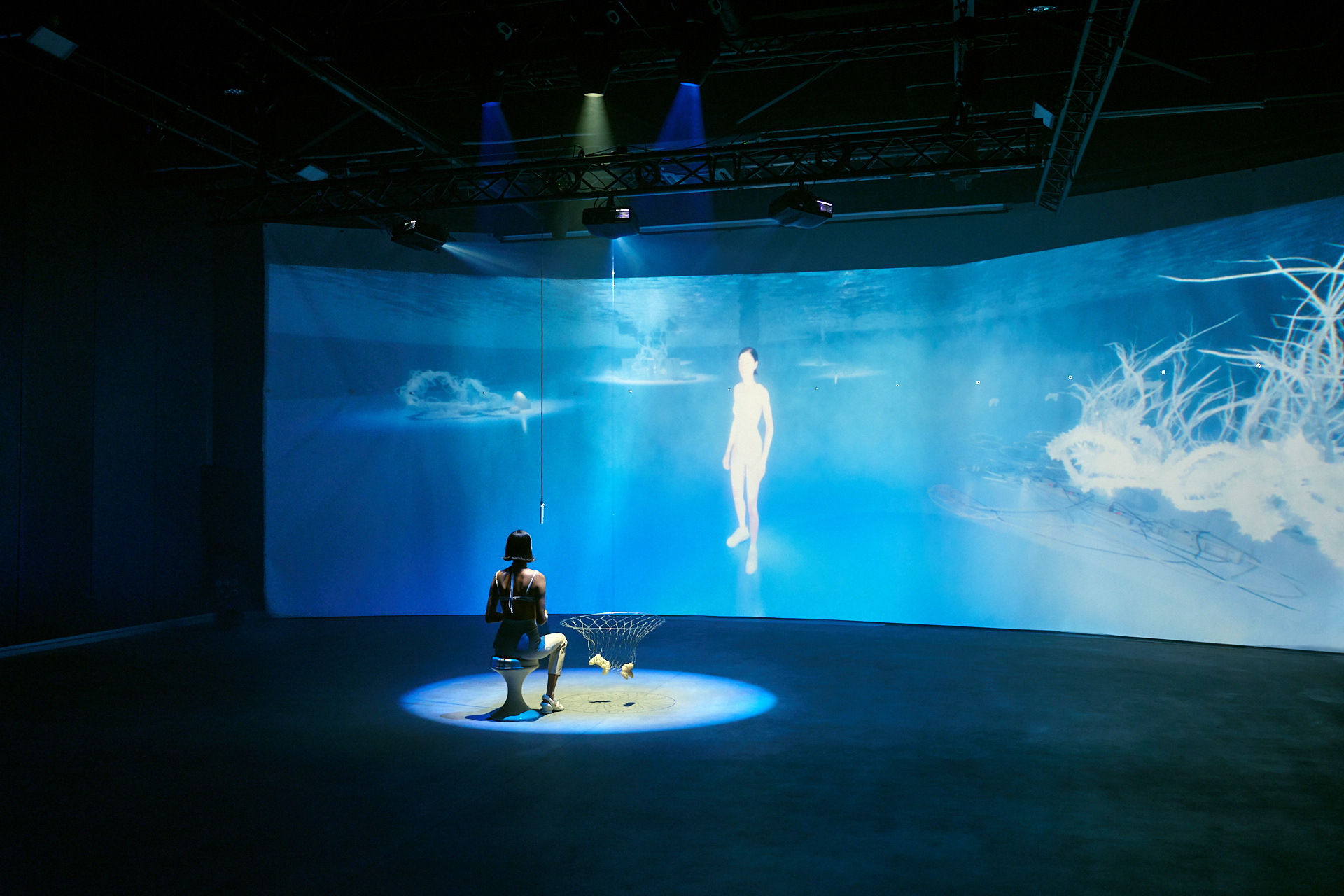
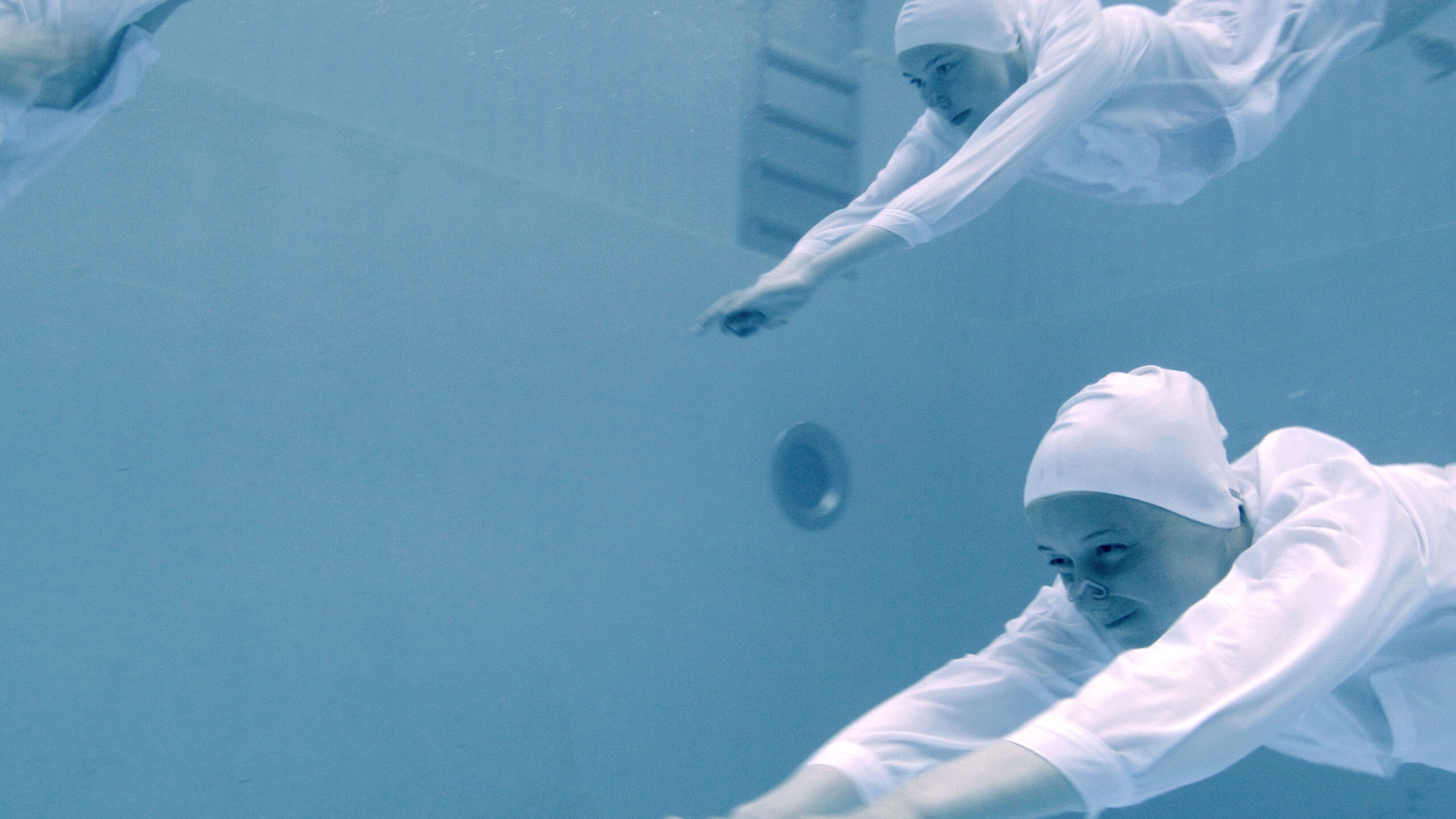
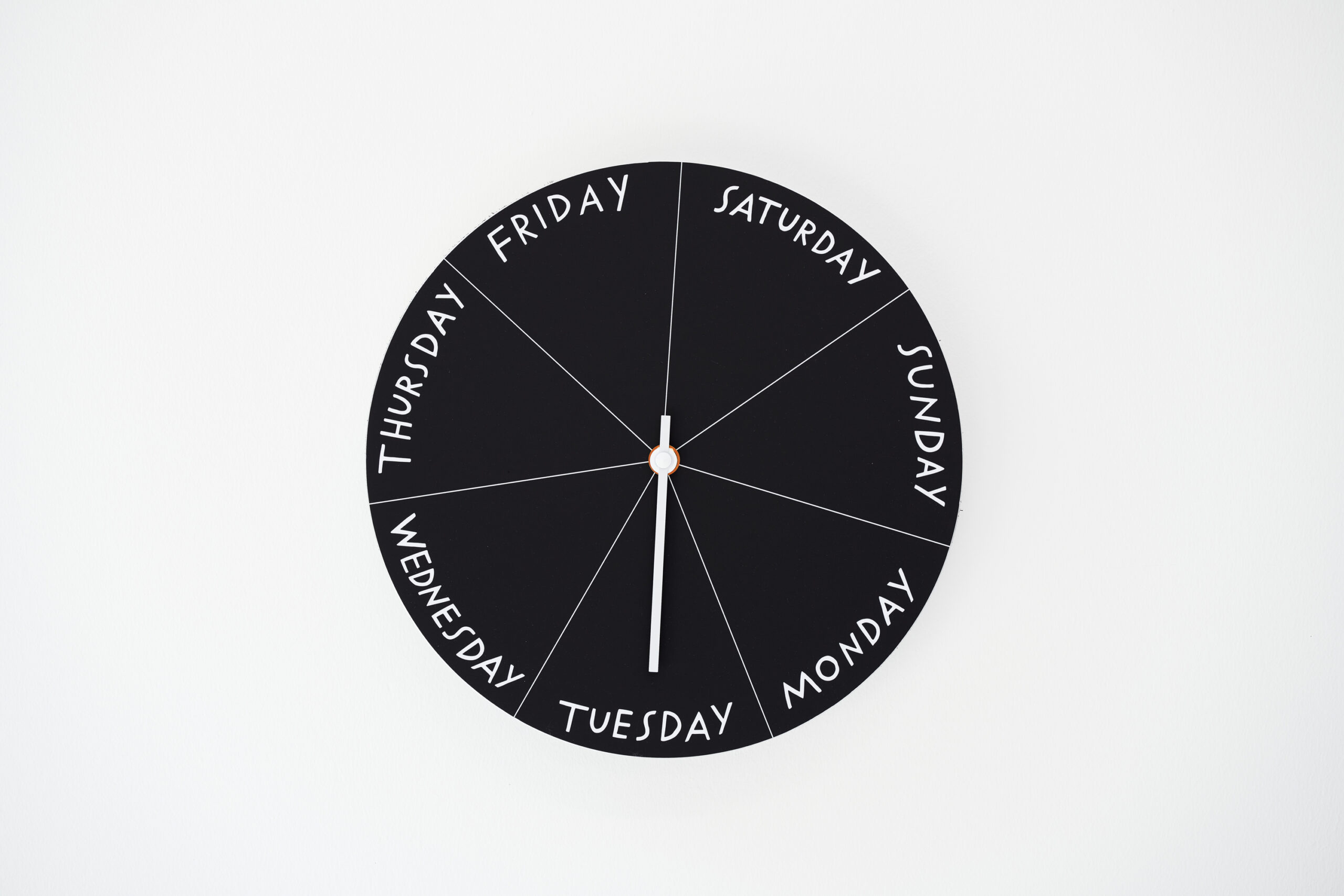
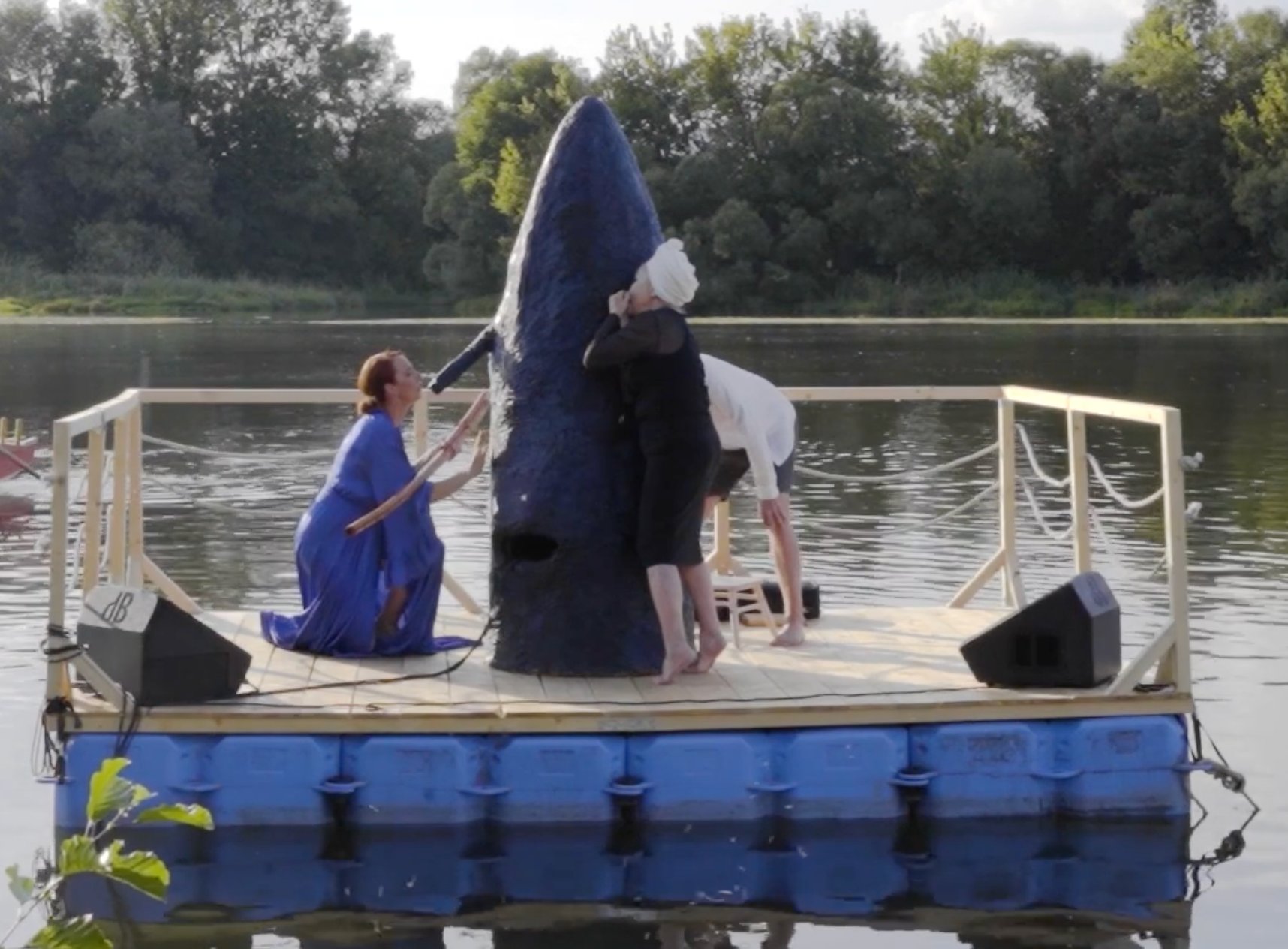
Justyna Górowska presents a version of Hydrosex Call, an interactive virtual reality environment in which visitors converse with an AI water nymph modelled on the artist's body. They navigate an underwater world where organic and technological forms meet to address water scarcity, pollution and biodiversity loss. Finnegan Shannon contributes several modest yet radical interventions, including small cat fountains filled with water from the River Rhine, which consider how the sound and presence of water can enrich domestic and disabled life. There is also a drinking water station offering free tap water to visitors in refillable cups. This treats hydration, which is often overlooked as an access need — especially for disabled people in extreme heat — as a form of care that is built directly into the exhibition space. A clock that only marks the day of the week — with its single hand completing one slow rotation every seven days — invites visitors to experience time in a gentler, slower way.
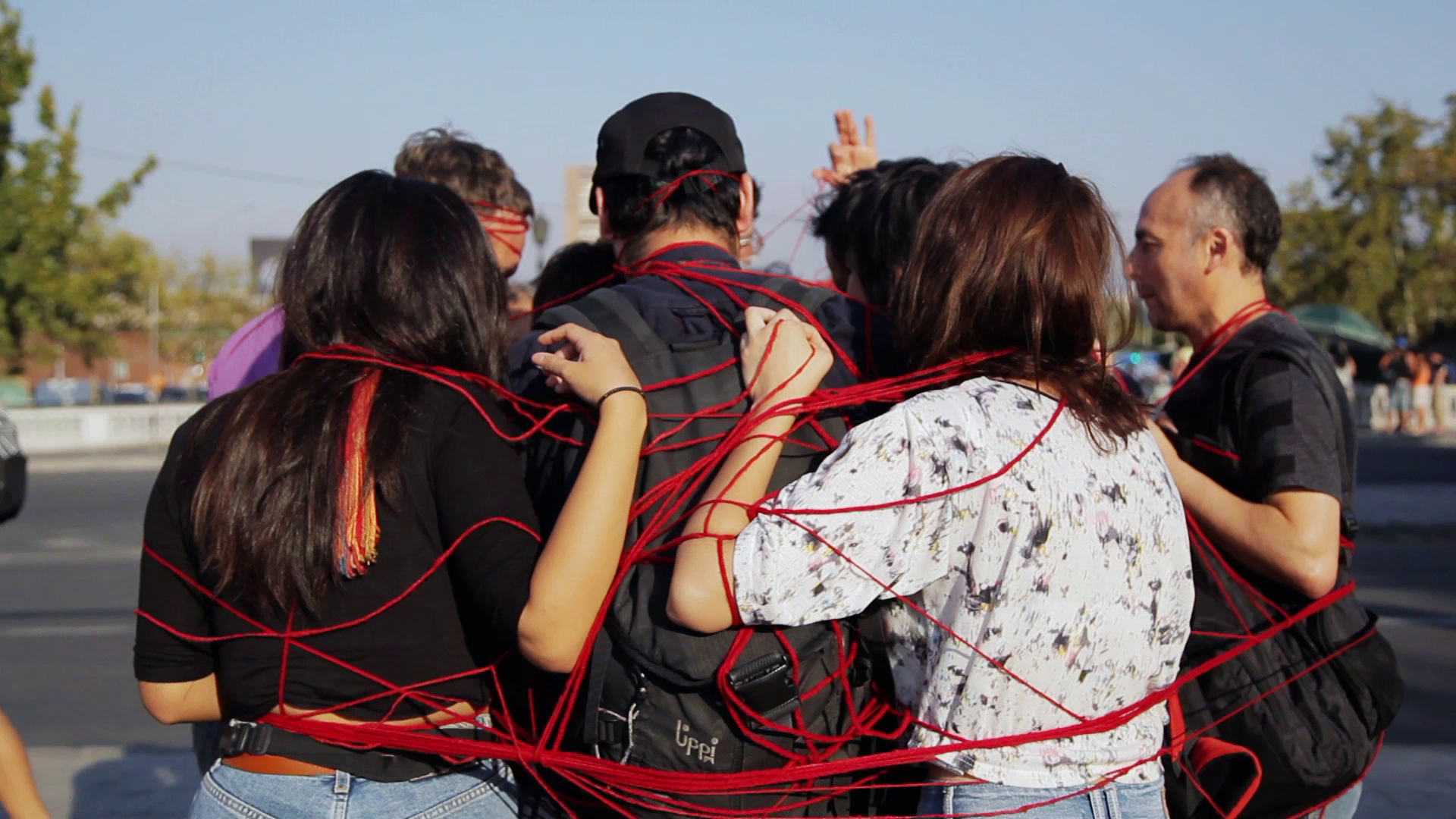
Cecilia Vicuña's film Un Nudo Vivo (The Living Knot) documents a participatory performance on a colonial-era bridge in Santiago, Chile, in which passers-by joined the artist in weaving unspun red wool into a collective knot. This act of creation served to recover the memory of a river valley that had been degraded by contamination. Anka Haller presents a series of small-format acrylic paintings depicting the transformation of a young woman into a mermaid. A figure bound by rules and constraints on land, she discovers a new dimension of freedom underwater. Rendered in a representational, sometimes fragmentary style, the paintings capture this emotional passage from constraint to release, echoing the exhibition's broader interest in water as a site of liberation from imposed structure.
detox access spaces
The exhibition is accompanied by a research presentation, detox access spaces, which extends the project towards critical reflection on contemporary exhibitionary practices and cultural contexts that often privilege sterile, universalist spaces emphasising sight and distance while suppressing embodied, sensual experience. Drawing on Audre Lorde's notion of the erotic as a source of power, the presentation argues for exhibition environments that embrace imperfection, materiality and the senses. It speculates on inclusive or non-toxic exhibition design and imagines spaces that actively resist intimidation, exclusion or alienation and instead foster comfort, accessibility and shared agency. The research presentation includes contributions from a large group of artists, curators, exhibition architects, and thinkers who are radically changing the conditions of the body for art and culture by incorporating bodily sensitivities into their thinking, work, and lived experiences. Contributors include Jos Boys, Amanda Cachia, Saverio Cantoni, Richard Dougherty, Jakob Engel, Hatiye Garip, Lichen Hamraie, Isa Hukka, Vappu Jalonen and Elis Hannikainen, Alison Kafer, Lisa Klosterkötter, Daniel Kotowski, Pia Lindman, Zofia Nierodzińska and Jenni-Juulia Wallinheimo-Heimonen, among others.
The project claims that the exhibition can advocate and initiate a broader process of radical accessibility for disabled, chronically ill and marginalised communities. Access will not only focus on physical accessibility in terms of exhibition space and cultural production, but also on broader conditions for living in our environments, for individuals and groups marginalised in normalised cultural production and exhibition-making.
A performance day on the Rhine in Cologne, curated in collaboration with Raphael Daibert and Nada Rosa Schroer, is planned for 15 November 2026.
Curated by Jussi Koitela and Aneta Rostkowska.
In collaboration with Lisa Klosterkötter.
Funding and support:
Ministry of Culture and Science of the State North Rhine- Westphalia
Cultural Office of the City of Cologne
Postcode Lottery
Finnish Cultural Foundation
Finnland-Institut
Deltax contemporary
Hotel Chelsea
Images:
1–2. Justyna Górowska, Hydrosex Call, 2025, multimedia installation and performance. Photos: Jan Koszewnik.
3. Justyna Górowska, Hydrosex Call, 2025, multimedia installation and performance.
4. Jenni-Juulia Wallinheimo-Heimonen, How Great Is Your Darkness?, 2024, film still. Photo: Rasoul Khorram.
5. Jenni-Juulia Wallinheimo-Heimonen, How Great Is Your Darkness?, 2024, film still. Photo: Cristal Alakoski.
6. Ren Loren Britton, ´Coalition Constellation´: Constellating Reparations, 2025, three-channel video installation, installation view. A three-channel video projection shows the Milky Way in a dark room, with stars projected overhead. The audio description on the left-hand projection reads: "The sound of the 'TIA Trans* Inter Agender' constellation being named." At the center of the room is a dreaming table with 3D-printed elements resembling planetarium machines, which seem to wonder aloud: what are we projecting forward?
7. Finnegan Shannon, Have you ever fallen in love with a clock? – Saturday, 2021, day clock mechanism, DiBond, clock hand, paint. Photo: Uli Gebert. Courtesy the artist and Deborah Schamoni.
8. Cecilia Vicuña, Un Nudo Vivo / A Living Knot, 2017, HD video, 7:10 min, film still.
9. Pia Lindman, H2OMANAUS – Underwater Manaus for the River Váh, video still, documentation of the performance H2OMANAUS. Aqua Vitae, Trenčín 2026.
10-11 Pia Lindman, Collectivities Cycle: Embodied Wefts, 2024, animation of digital paintings, animation stills.